
The Meixner RV Layout, a Site Realignment, and a New Business Model

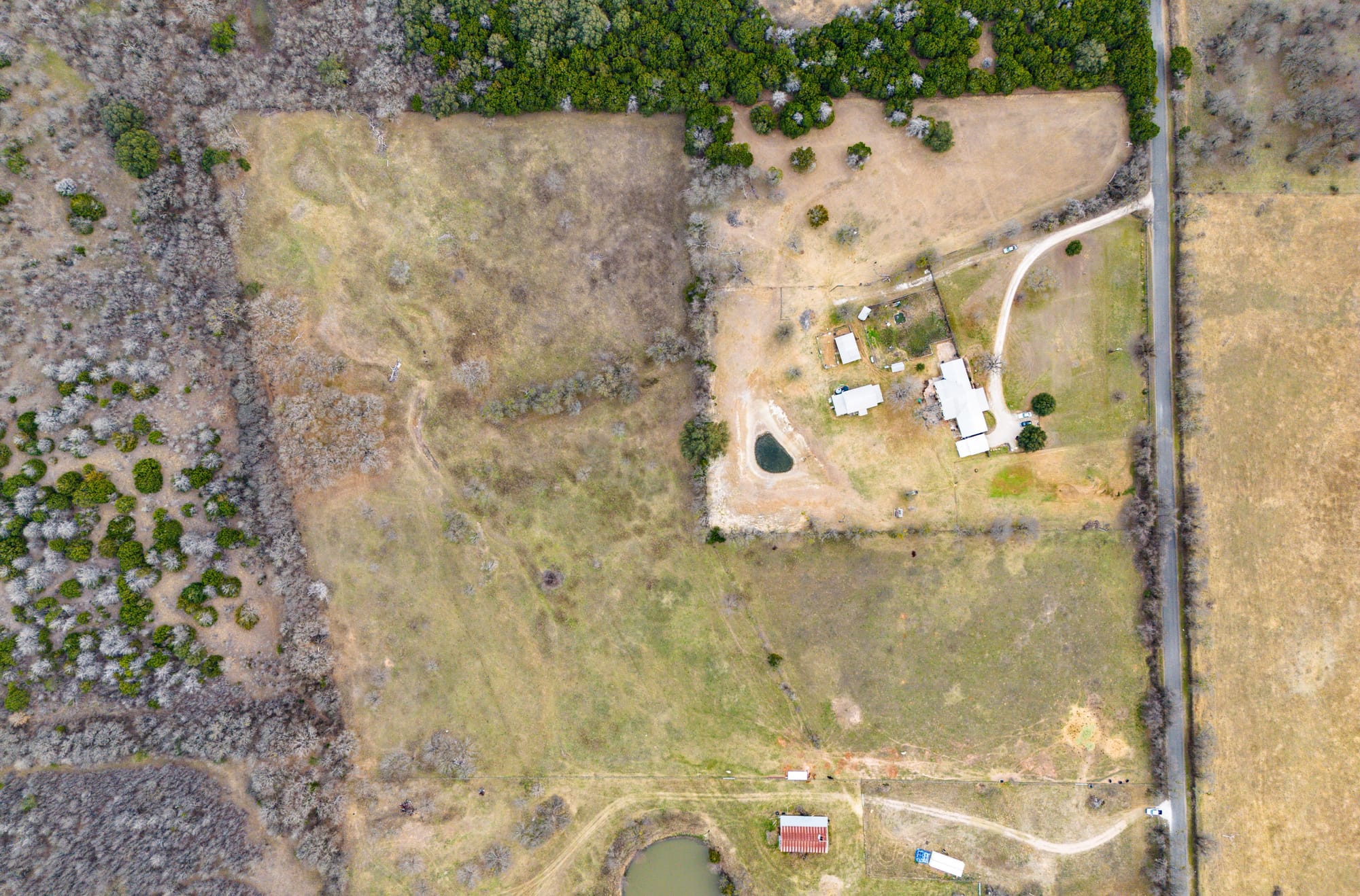
Last post, I had just gotten my RV rented out, and I was shifting to building an RV park on one of our properties.
With my senior capstone project underway, I originally had a tight 13-week deadline to build out an entire RV park concept from scratch—what we’re calling the Meixner RV Park project (because its on Meixner Road).
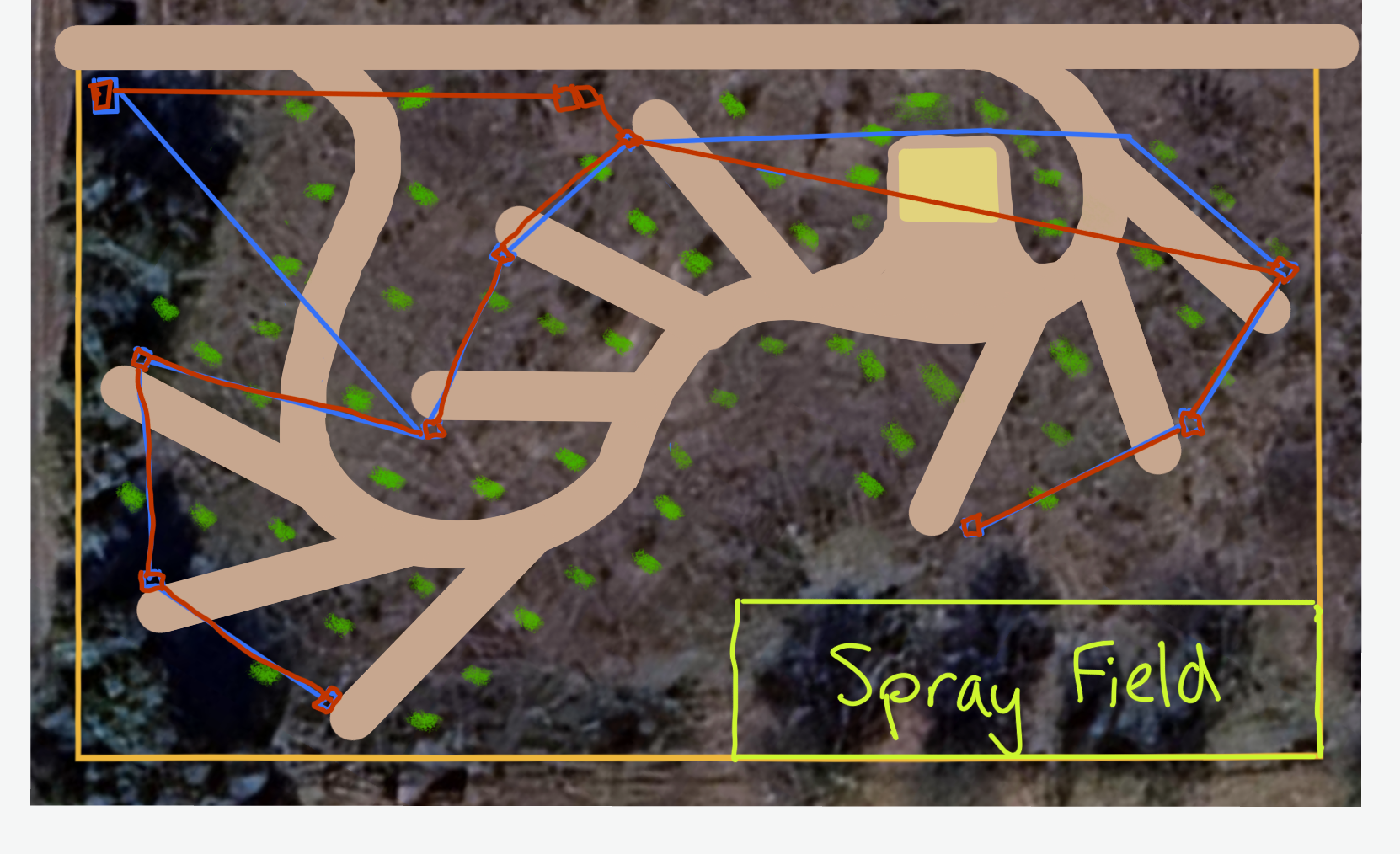
When you're starting out in real estate and land development, standard cookie-cutter designs always look easiest on paper. Originally, our idea was simple: a standard "feather" design with one straight main road down the center and RV pads shooting out to the sides at diagonal angles.
It’s efficient, but it lacks privacy and personality. We decided to scrap the grid in favor of an unorthodox, organic layout—placing pads in custom locations across the property to create a more private, high-end experience for guests.
Beyond aesthetics, our goal was density. Standard layouts usually get about 8 spots per acre. To maximize our return on capital invested, we wanted to squeeze 12 spots onto 1 acre.
Then, real-world constraints hit.
The Flag Lot & Septic Bottleneck
Designing on paper is clean; putting infrastructure into real dirt is where things get complicated.
First came the wastewater math. For an aerobic spray field system, we needed roughly 1,000 square feet of dedicated spray area per RV spot. Tack on an additional 2,000 square feet of spray field required for our planned laundry wash house, and we were looking at over 14,000 square feet dedicated solely to effluent treatment—a massive chunk of unusable space on a single acre.
Second, we hit a major road frontage issue.
Our family has 16 acres in total, shaped like a "flag lot" (a large plot sitting behind other properties with a narrow strip extending out to the road). We only have 300 feet of total road frontage. Squeezing a dense 12-spot entrance at the very front would have choked off access to the remaining 15 acres sitting behind it.
To top it off, I ran initial buildout estimates using AI that came out to around $50,000 to $60,000. But after making dozens of calls and getting real quotes from local contractors, the actual estimate jumped to $100,000–$120,000—double what we originally projected.
Unlocking Growth: Rethinking Asset Ownership
While working through these site puzzles, I hit on an insight regarding how to scale the park without sinking tons of capital into buying more RVs.
Instead of taking on capital debt to purchase every unit ourselves, there’s a compelling opportunity in renting RVs directly from private owners.
Most RV owners let their rigs sit idle in storage for 90% of the year—paying monthly storage fees just to keep them parked. By partnering with owners, we can turn a liability into an asset for both sides:
- For the Owner: They stop paying storage fees, and instead of losing money every month, we generate rental income for them while they aren't using their rig.
- For Us: We scale up available rental units rapidly with minimal upfront capital expenditures (CapEx), capitalizing on the RVs while utilizing our pad and laundry infrastructure.
The Strategic Pivot: Property #2 First
Part of learning to invest is knowing when to pivot instead of forcing a bad hand.
I’m down to 8 weeks remaining on my capstone timeline. Trying to force a high-density, doubled-cost buildout on a constrained flag lot within 8 weeks is a recipe for missed deadlines and blown budgets. That realization is why I’m shifting projects right now.
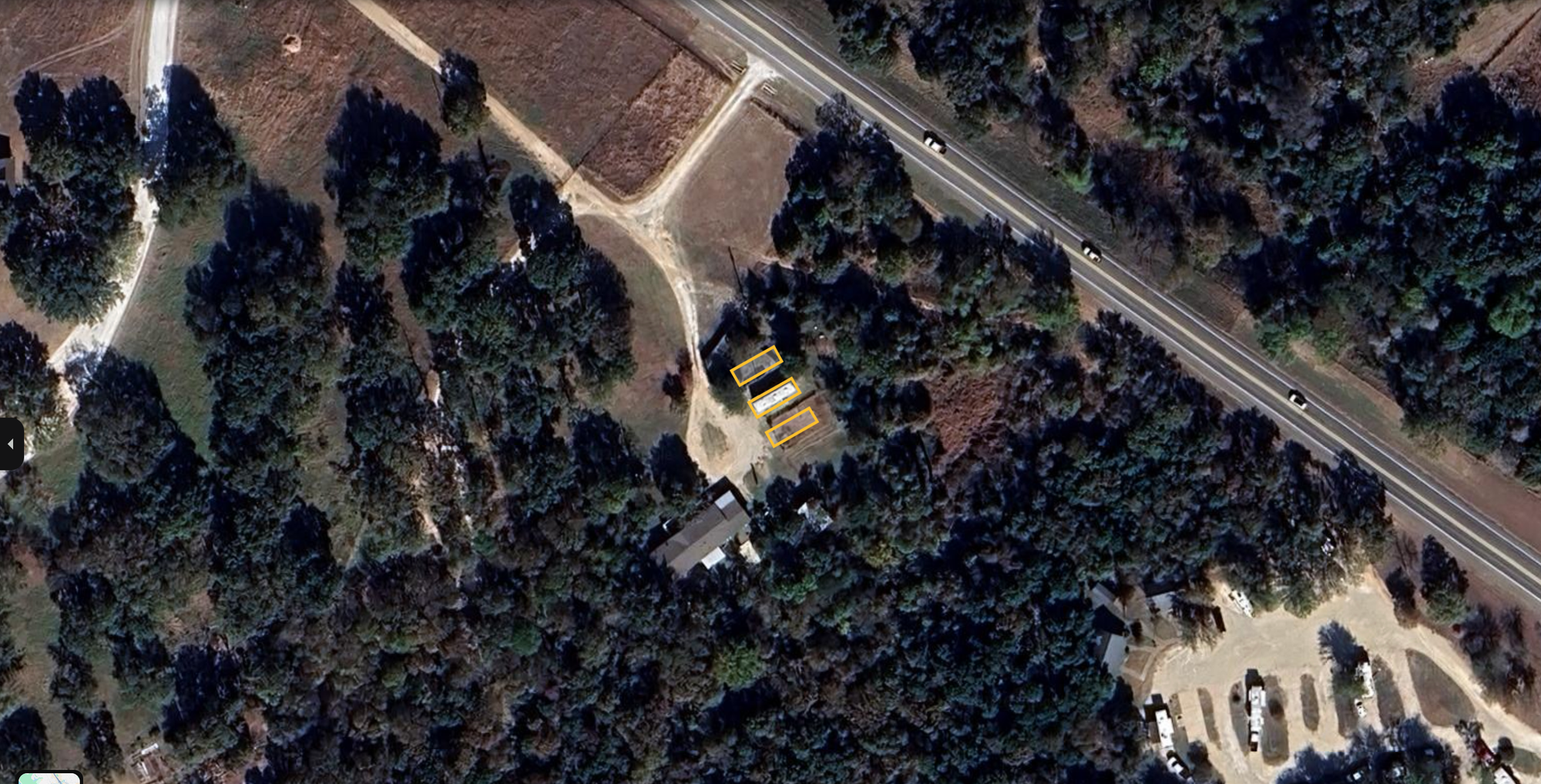
To keep momentum and protect our capital, we are moving immediate execution to another property in our portfolio that already has key infrastructure in place:
- Existing Utilities: Septic, water, and power are already on-site.
- Head Start: It already has one finished RV pad ready to go.
Of course, a new site comes with new engineering problems to solve over these next 8 weeks:
- Clearing Woods: Carving out new pads through heavy timber without ruining the natural shade and privacy.
- Topography & Grading: Managing a sloped landscape so drainage flows properly and pads sit flat.
- Power Upgrades: We currently only have a 200-amp service available. To run multiple modern RVs pulling heavy AC loads simultaneously, upgrading the electrical capacity is now our top priority.
What’s Next: Completing Property #2, Then Meixner
Pivoting away from the frontage trap saved us over in development costs and protected my 8-week deadline. But this doesn't mean the Meixner project is dead—it's just sequenced.
By building out Property #2 first, we establish cash flow, test our owner-consignment rental model, and hit my capstone deadline on time. Once this property is up, running, and generating returns, we'll take that capital and operational framework straight back to tackle the original Meixner park project with a much stronger foundation.